


A recent study by Morton, Prakash, and Dolšak in Environmental Research Letters on public support for deep sea mining (DSM) in the US shows exactly that.
DSM is often presented as an alternative to land-based mining. Why look for alternatives?
One reason is economic. As demand for critical minerals continues to increase, many existing mineral deposits are becoming harder and more expensive to extract as ore grades decline. In other words, companies must process more material to obtain the same amount of minerals, thereby increasing their costs.
There is also a geopolitical reason. The US relies heavily on imports of critical minerals, particularly from China. As a result, access to minerals is increasingly framed not only as an economic issue, but also as a national security concern. Should China decide to block the US from accessing the minerals it controls, the US would lose a source of raw materials used in consumer, energy, and defense technology, including computers, electric cars, aircraft, and munitions. Minerals from the deep sea could provide a new source of those raw materials.
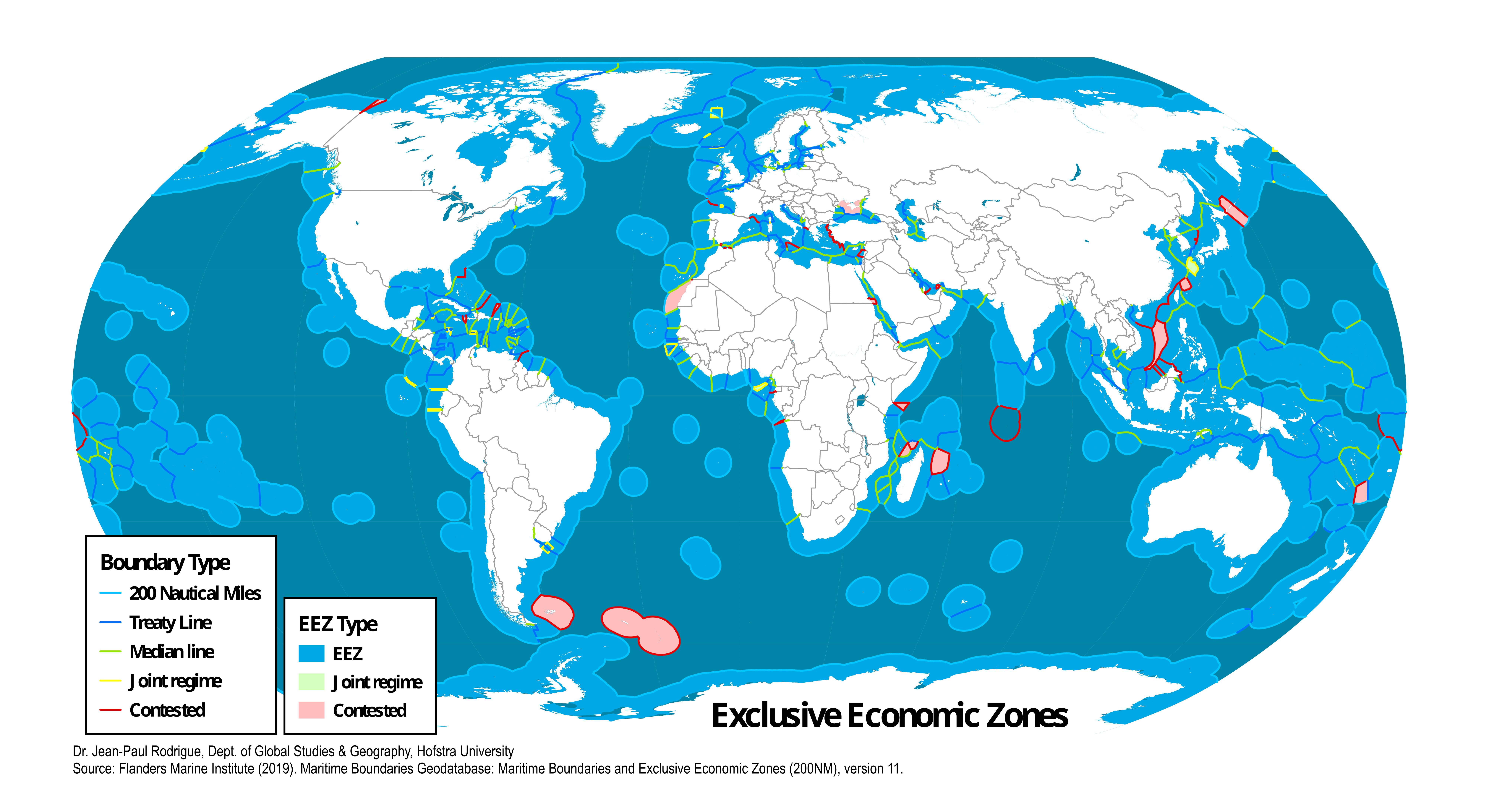
DSM could occur in Exclusive Economic Zones (EEZs), where marine resources are located within a country’s waters, or in international waters. EEZs are the nearshore waters that coastal countries control. International waters lie beyond those borders, making up most of the world’s oceans.

What researchers asked and what they found
The researchers gave study participants a simple task:
The International Seabed Authority is debating regulations on deep sea mining. Indicate your level of support for deep sea mining.
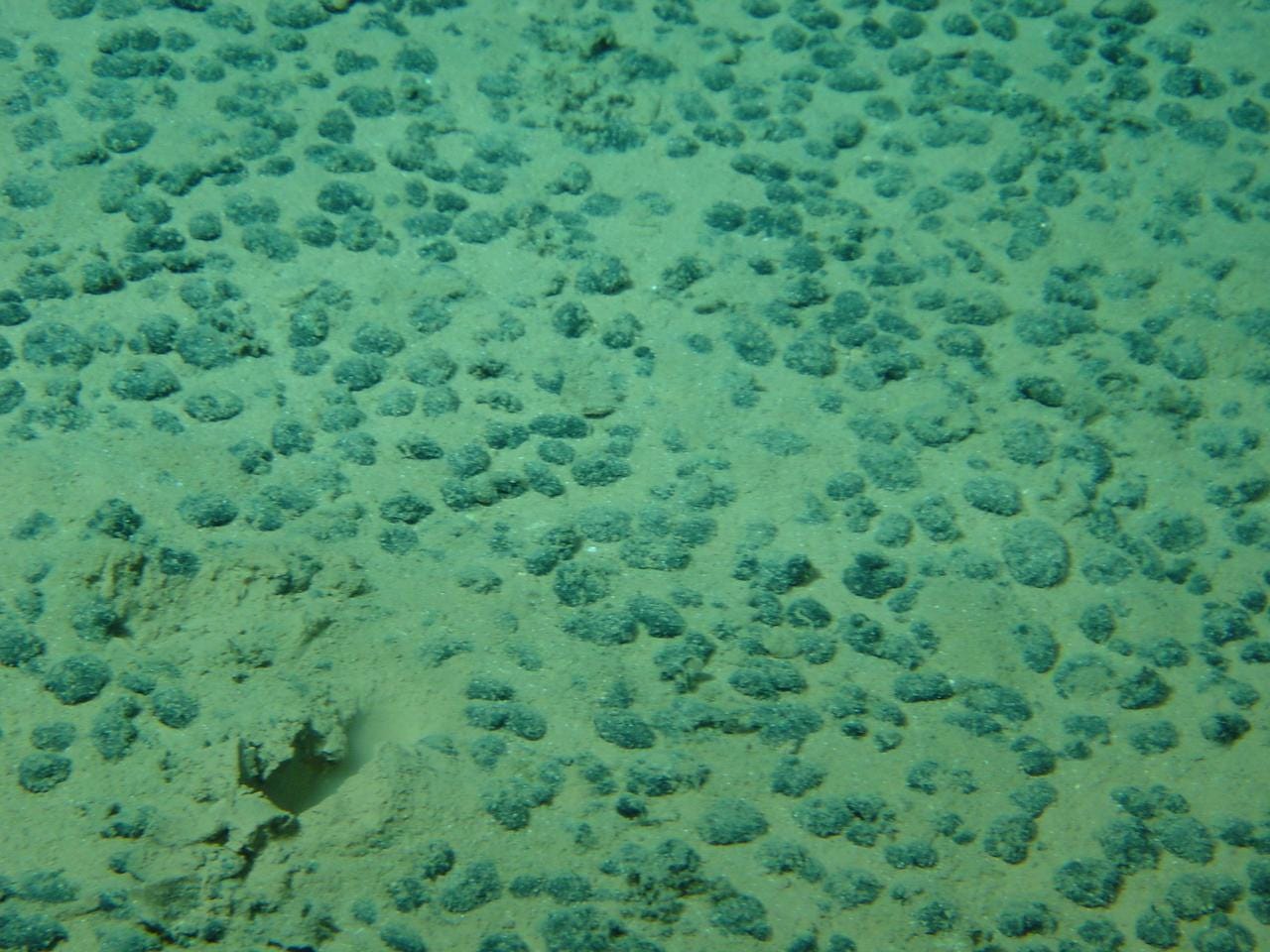
Researchers mentioned the Clarion Clipperton Zone in the Pacific Ocean as an example, stating that this project alone could provide enough minerals to make one billion electric vehicles. This zone is located between Hawaii and Mexico in international waters, where mineral-rich rocks lie on the abyssal plains.
They wanted to understand whether there is support for deep sea mining in international waters, and whether the degree of support depends on how the issue is framed. And does the public respond differently from people working in environmental NGOs (ENGOs)?
The study explores whether support for DSM changes depending on how benefits and costs are presented. The researchers used three framings:
DSM can reduce the need for land-based mining, which affects the local water supply
DSM reduces reliance on China because Chinese companies control most of the land-based mines (national security framing)
DSM can disturb fisheries that serve as a food source
They also included a control group.
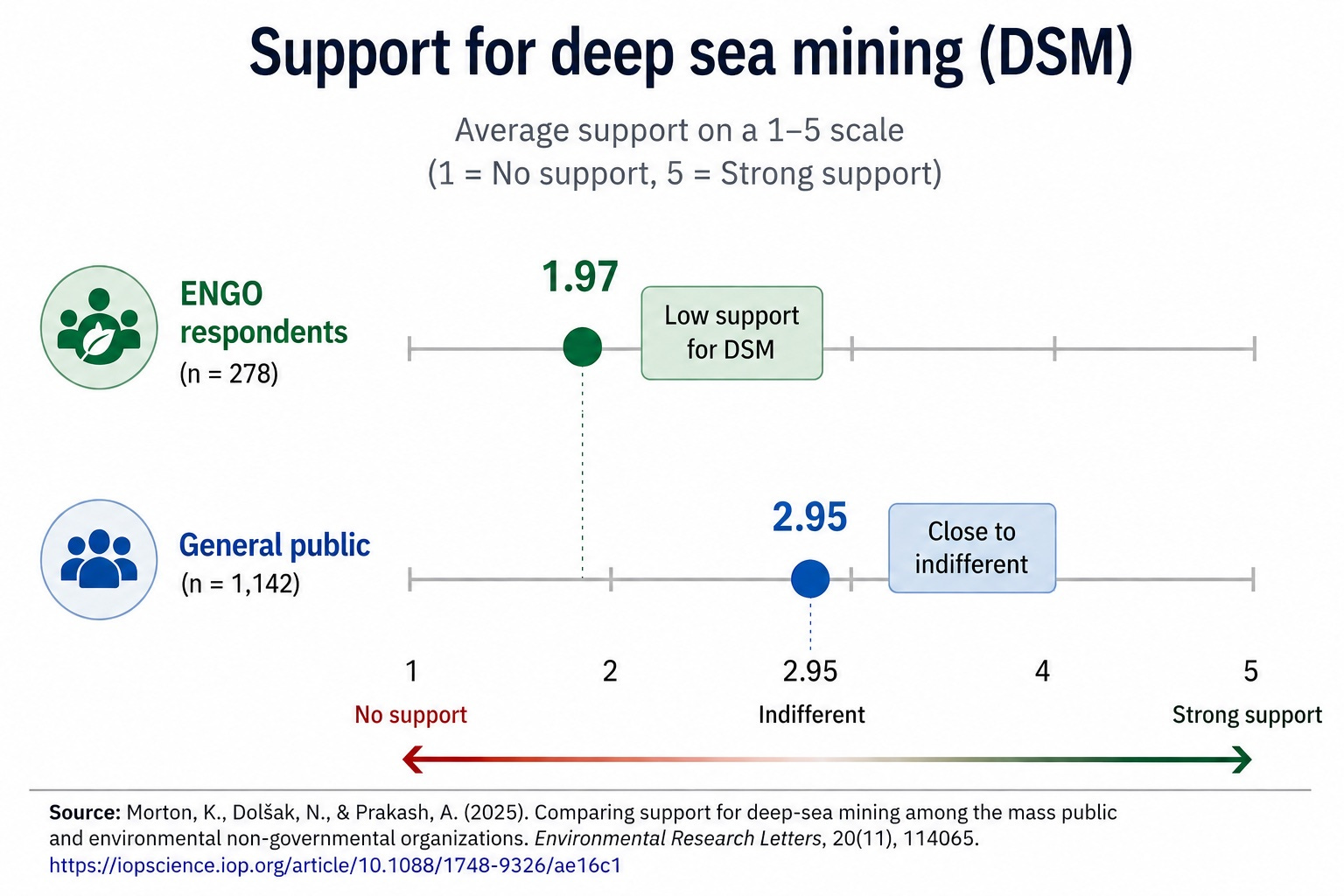
The researchers administered an online survey to 1,142 individuals from the general public and 278 ENGO professionals. After exposure to the framings, respondents were asked to indicate their support for DSM on a 1–5 scale (1 = no support, 5 = strong support).
The two groups looked very different.
ENGO respondents showed low overall support for DSM, with an average support level of 1.97. The general public was closer to indifferent, with an average of 2.95.
The most important result:
Among the general public, the national security framing increased support for DSM relative to the control group. This means people are more likely to tolerate uncertainties around new types of mining, such as DSM, when framed with information about the benefits of DSM to reduce reliance on imports from China or Chinese-owned mines.
But among ENGO professionals, none of the framings changed support levels. Their DSM support remained consistently low across all conditions.
Should the public be part of the DSM conversation?
Some may ask whether public support even matters for deep sea mining in international waters. Should the public be part of the conversation at all?
Theories in environmental economics suggest that the answer is yes. People often value environmental resources even when they do not directly use them. Many individuals derive satisfaction simply from knowing that marine ecosystems, species, and habitats are preserved. This is known as existence value. Others value preservation because it allows future generations to enjoy these resources, a concept often referred to as bequest value.
The absence of a market does not imply the absence of value. Marine ecosystems may generate economic value even when they are never harvested, visited, or directly used. John V. Krutilla (1967), an American environmental economist, argued that natural environments possess economic value simply through their existence and preservation, even when they are never directly used by people.
From this perspective, the public has standing in the DSM debate. Decisions about mining in international waters should not be based solely on the value of extracted minerals. They should also consider the value society places on preserving deep ocean ecosystems that may otherwise be overlooked by markets.
A caution regarding geopolitical framing
The study also offers an important caution. Because the environmental impacts of DSM on marine ecosystems remain uncertain and may emerge only over long time horizons, public opinion can be shaped by other narratives before the scientific evidence is fully established.
The authors find that geopolitical and national security framing increases public support for DSM. This suggests that policymakers and industry actors may be able to move public opinion from indifference toward support by emphasizing mineral security and dependence on foreign suppliers.
This does not mean the geopolitical concerns are unimportant. However, it highlights the need to rapidly generate credible evidence on the environmental impacts of DSM. Otherwise, public opinion may become driven primarily by geopolitical considerations while environmental uncertainties remain unresolved or receive insufficient attention.
In deep sea mining, media coverage matters
This study points to the risk of media outlets covering deep sea mining in incomplete or misleading ways.
Public perception may not have the power to make or break the DSM industry. Still, an informed public can support wise decision-making about shared ecosystems and resources, such as those found on the international seabed. After all, the resources of the international seabed are defined by the UN Convention on the Law of the Sea as the “common heritage” of humankind.
There are direct ways the public can play a role in DSM decision-making. For example, US public comment periods on proposed deep sea mining projects (including some in international waters) allow individuals to submit statements. The government is required to consider and respond to those comments, as long as they’re fact-based and unique (that is, not an exact copy of someone else’s comment). An informed public is better-prepared for such opportunities to respond to deep sea mining proposals.
So, if framing shapes public perception of the DSM industry, the media has a responsibility to use framing with care, to foster an informed public. As the authors of the study write, “over-reliance on security framing risks sidelining important equity and environmental concerns.” Deep sea mining’s potential environmental and social harms are at least as important as its national security benefits.
National security arguments also run the risk of veering into propaganda, which is perhaps why they’re so heavily relied on by governments, including the current Trump administration. Naturally, balanced coverage can’t be expected in media releases by governments, NGOs, or private companies. These actors are not “the media”, and have specific agendas to promote, offering marketing material or propaganda rather than true news.
From independent news outlets, however, the public deserves a nuanced view of deep sea mining’s potential costs and benefits. Context is also valuable here. For example, geopolitical tensions can shift or resolve in a matter of years, while the deep sea will likely take decades or longer to recover (even partially) from the environmental impacts of mining. It is the media’s job to make the public aware of the full picture.
Your turn
To what extent would you support deep sea mining? Please provide in the comments section why or what factors you would consider.
About the authors
Mahelet G. Fikru is an economist and educator whose work focuses on critical minerals and the societal challenges of the clean energy transition. Her Substack examines how innovation and technology shape markets and society.
Elyse Hauser is an environmental journalist whose work focuses on issues that impact aquatic ecosystems, especially the deep sea. Her Substack covers essential deep sea mining news.
I think framing it as “deep sea mining allows us to build a billion electric cars” is not something I could support. How about eliminating cancer? Solving world hunger? Ending war? Reversing climate extinction? What is actually worth irreversible environmental extraction? More cars for tech bros isn’t it.
I think it’s beyond digitalizing our life. Humans can’t leave anything alone. In my actual profession, architecture — the one that pays, unlike writing — we talk about “highest and best use. And that phrase never means a park, a garden, or anything that makes life more enjoyable. It always means a taller building, more concrete, more profit. The instinct isn’t to preserve; it’s to consume everything.