


By Mahelet G. Fikru and Hebron Girma Belete
Last updated: November 10, 2026
Quick answer: A grad school mentoring group helps you apply by giving you guidance from people who have been through the process, regular feedback on your CV and statement of purpose, a structured timeline with small weekly tasks, and support from peers who are applying at the same time. We are accepting 10 final-year BA/BSc students and recent graduates from any field into our one-year 2027 mentorship cohort. Apply by December 18, 2026, to be considered for this initial cohort. After that, we accept applications on a rolling basis for the next cohort.
At a glance
Program: The Grad School Path mentoring group, open to all fields (the 2026 cohort, known as Econ Compass, was made up of economics students)
Who it’s for: final-year BA/BSc students and recent graduates in any field who plan to apply to graduate programs
Cohort size: 10 students in the initial 2027 cohort
Format: a one-year online program, starting in mid-January 2027, with monthly Zoom sessions, weekly small tasks, group chat support, and one-on-one feedback
Deadline: December 18, 2026, for the initial 2027 cohort; rolling applications after that
Decisions and start: applicants hear back by January 2, 2027; the cohort starts in mid-January 2027
Mentors: Mahelet G. Fikru (Missouri University of Science and Technology) and Hebron Girma Belete (Erasmus Mundus Master’s student)
Why is applying to grad school hard without a mentor?
Most students applying to graduate school are trying to figure out a process they have never been through before. Nobody teaches you how to pick programs, write a statement of purpose that sounds like you, or email a professor you have never met.
Students with a parent, older sibling, or advisor who went through it pick these things up along the way. Most other students have to work it out on their own, usually late at night and close to a deadline.
That gap is what mentorship is meant to close.
How does a mentoring group help with grad school applications?
Experience you can’t get from a website. Admissions pages tell you what to submit, not what committees look for. People who have applied, been admitted, been rejected, or sat on the other side of the table can tell you what actually made a difference.
Feedback on your CV and statement of purpose before it counts. Application documents almost always get better after someone reads them critically. In a group, you get feedback from mentors and also see the mistakes and strong choices in other students’ drafts.
Structure and timelines. Applications take months and come with many small deadlines: test scores, recommendation letters, transcripts, and fee waivers. A group with regular meetings and assigned tasks keeps you moving, rather than letting everything pile up near the end.
A realistic view of your options. Mentors can help you weigh funded against unfunded programs, master’s against PhD, and applying in the U.S. against applying elsewhere, based on where you are now rather than general advice.
Company in an isolating process. Rejections, waiting, and comparing yourself to others are easier to handle when you know others are going through the same thing.
Mentorship won’t guarantee admission. It does mean your application reflects your best effort, and that you understand each decision you made along the way.
What do students say about the mentoring group?
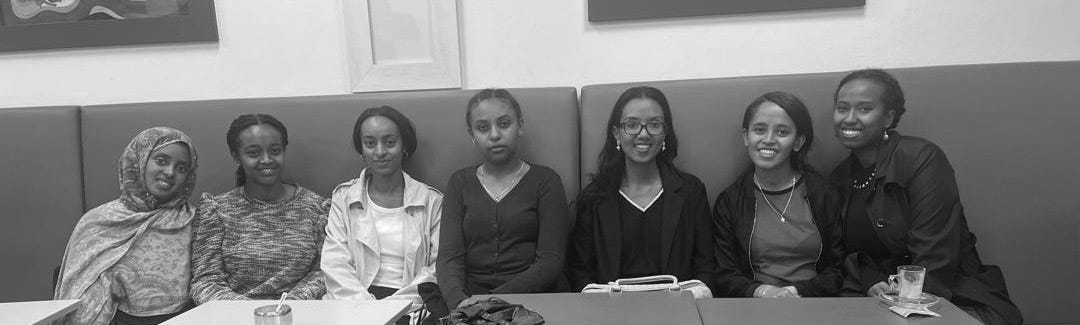
In 2026, we ran our first cohort, The Grad School Path (Econ Compass) 2026 Cohort, with economics students from Addis Ababa University and Wollo University. One member, Sofanit Dejene Mebrate, is now pursuing a Master’s in Economics at Ohio University. Here is what some of the students told us.
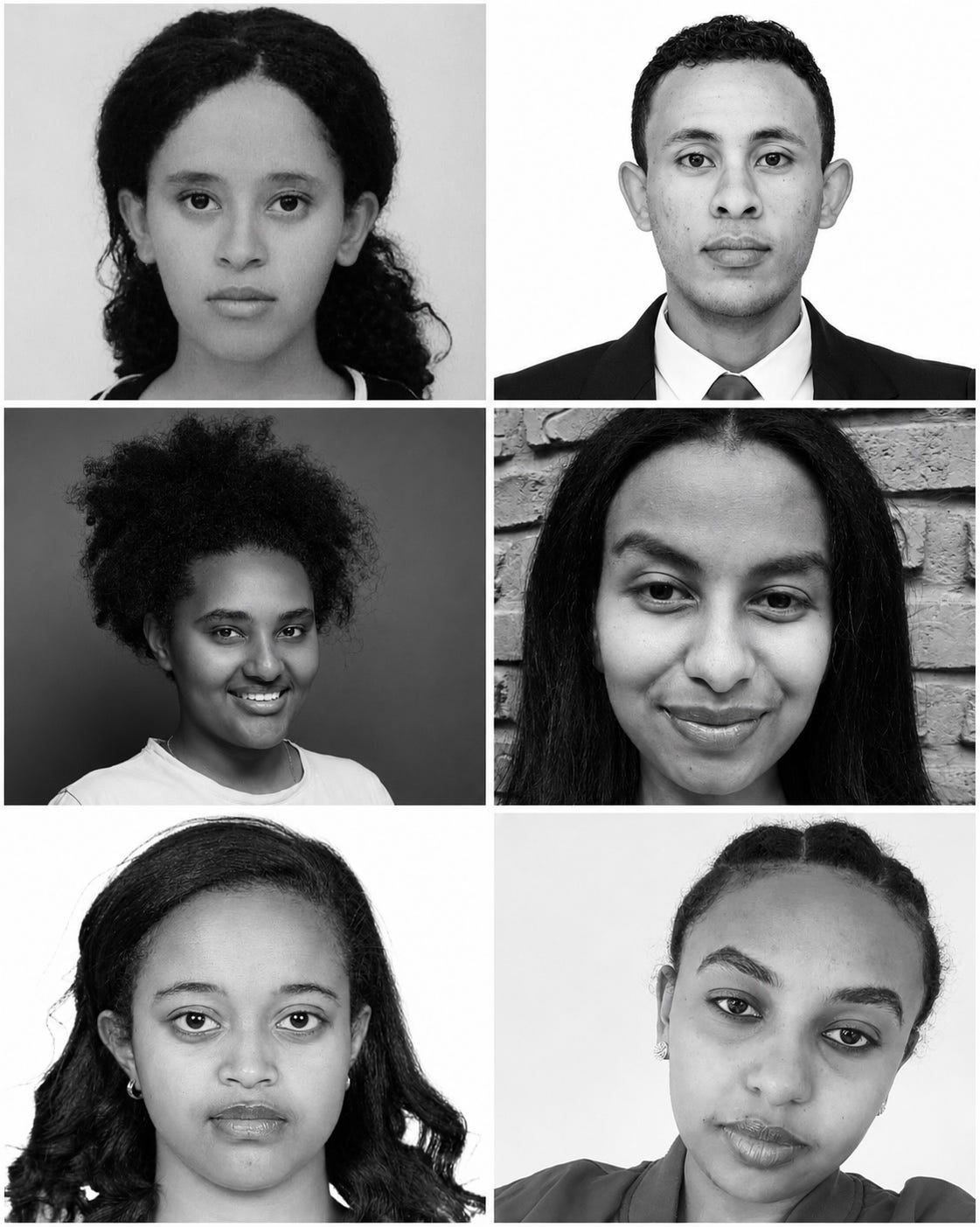
“Through personalized guidance, CV and cover letter reviews, networking connections, and exposure to postgraduate opportunities, I received support in pursuing my Master’s in Economics at Ohio University. Beyond academics, the cohort has supported my personal growth, leadership, and professional development.”
— Sofanit Dejene Mebrate, BA in Economics, Wollo University; now pursuing a Master’s in Economics at Ohio University
“I learned the art of crafting a compelling Statement of Purpose, discovered how to elevate my LinkedIn profile to a professional standard, and had the unique opportunity to hear hands-on experiences from my fellow peers. This collaborative environment has provided me with a clear roadmap for my future career development.”
— Hermela Daniel Tewodrose, Economics, Addis Ababa University
“It helped me create my LinkedIn profile, improve my CV through helpful feedback, and discover different master’s scholarship opportunities. I also received valuable career advice and guidance that helped me better understand how to prepare for my future.”
— Bethelhem Alemu, BA in Economics, Addis Ababa University
“I had the opportunity to learn from experienced economists and gain insights into the different career paths available in the field. I also learned about professionalism, building a career profile, and postgraduate opportunities. I’m especially grateful to Professor [Mahelet], Hebron, and the other mentors for their guidance, encouragement, and willingness to share their knowledge and answer our questions.”
— Birole Bekele, Economics, Addis Ababa University
“This cohort allows me to connect with professionals, scholarship winners, and fellow applicants, helping me stay active in my scholarship search, learn from their experiences throughout the application process, and continue growing academically.”
— Natnael Beede Melaku, Economics, Addis Ababa University
Who can join the 2027 grad school mentorship group?
We’re accepting 10 students into our 2027 mentorship cohort. You’re a good fit if you’re in the final year of a BA/BSc or have recently graduated, and you plan to apply to graduate programs. You don’t need an economics background: the program is open to students in any field who want to build a competitive profile for graduate school and scholarships.
Who leads the mentorship group?
The group is led by the two of us. We have both mentored students for several years, helping them through applications, career decisions, and the steps in between.
Mahelet G. Fikru is a full professor of economics at Missouri University of Science and Technology with more than 15 years of experience teaching and mentoring students. Her research covers energy transition economics, critical minerals, and public policy. She writes The Grad School Path, a section of her newsletter with practical advice on applying to graduate programs.
Hebron Girma Belete is an Erasmus Mundus Master’s student in Economic Policies for the Global Bifurcation, specializing in the digital economy, with experience working in international organizations.
In 2027, additional mentors will join the program to support students alongside us. We will continue to lead the group, set the curriculum, and guide each cohort.
How does the mentorship group work?
This is a working group, not a lecture series. The program follows structured monthly modules, and each one builds toward a stronger application.
Monthly Zoom sessions. We meet once a month as a group. Sessions are interactive and discussion-based, so you come ready to talk, ask questions, and work through your own materials.
Weekly small tasks. Between sessions, you complete short, structured tasks that keep your application moving week by week.
Group chat support. We’re available in the group chat between sessions for any questions that come up.
Group and one-on-one mentoring. Along with the group sessions, students get one-on-one time with us for individual feedback on their CV, statement of purpose, and application strategy.
Why does the program last a full year?
We designed The Grad School Path as a one-year program because getting into graduate school takes more than submitting applications. We want members to learn how to build a competitive profile, develop a compelling CV, and position themselves for scholarship opportunities long before application deadlines arrive. Good grades alone no longer guarantee a scholarship.
What does the program cover?
Throughout the year, we will cover:
The dos and don’ts of graduate school applications
Building a compelling CV: how to develop a strong academic and professional CV
Strengthening your profile in advance: what to do ahead of time, including academic, professional, extracurricular, and leadership engagement
Answering your application questions: guidance on members’ specific questions and challenges throughout their application journey
Scholarship strategies: practical approaches that have worked across different scholarship programs, since each scholarship has its own selection criteria and expectations
Professional presence: how to communicate your achievements, engage professionally, and present yourself confidently
Interview preparation: the skills and confidence to perform well in scholarship and graduate school interviews
Making your application stand out: how to communicate your experiences, achievements, goals, and potential
Learning from those who made it: practical insights, lessons, and strategies from people who have successfully navigated graduate school and scholarship applications
How do I apply to the mentorship group?
Fill out the mentoring group application form. To be considered for the initial 2027 cohort of 10 students, apply by December 18, 2026. We also accept applications on a rolling basis after that date for the next cohort.
Frequently asked questions
Does a mentor help you get into grad school?
A mentor can’t guarantee admission, but they can help you choose programs that fit your profile, strengthen your CV and statement of purpose, and avoid common mistakes that weaken an application.
Who is eligible for the 2027 cohort?
Students in the final year of a BA/BSc and recent graduates in any field who plan to apply to graduate programs. An economics background is not required.
How often does the group meet?
Once a month on Zoom for one year, with weekly small tasks and group chat support between sessions.
How long is the program?
One year. The 2027 cohort starts in mid-January 2027, and the program runs for 12 months so members can build a competitive profile, CV, and scholarship strategy well before application deadlines.
Do I need an economics background to join?
No. Our first cohort was made up of economics students, but the program is open to final-year BA/BSc students and recent graduates in any field who plan to apply to graduate school.
How many students are accepted?
We are accepting 10 students for the initial 2027 cohort. Additional mentors will join us in 2027, allowing us to open future cohorts under the same structure.
When is the application deadline?
Apply by December 18, 2026, to be considered for the initial 2027 cohort of 10 students. Applications received after that date are reviewed on a rolling basis for the next cohort.
What is The Grad School Path mentoring group?
The Grad School Path mentoring group is a small, one-year online mentorship program led by Mahelet G. Fikru and Hebron Girma Belete that helps final-year BA/BSc students and recent graduates in any field prepare strong graduate school applications. Its first cohort, The Grad School Path (Econ Compass) 2026 Cohort, included economics students from Addis Ababa University and Wollo University in Ethiopia.
Is the mentorship group online?
Yes. Group sessions are held on Zoom once a month, with weekly tasks and group chat support between sessions, so you can join from anywhere.
What does the mentorship group help with?
The group helps with choosing programs, building a grad school CV, improving your LinkedIn profile, writing a statement of purpose, finding funded and scholarship opportunities, planning your application strategy, preparing for scholarship and graduate school interviews, and learning how to present your achievements confidently.
When will I hear back, and when does the cohort start?
Applicants for the initial 2027 cohort will hear back by January 2, 2027. The cohort starts in mid-January 2027.
More from The Grad School Path
Grad School Application 101, Part 1: How to Plan and Build Your Profile Before You Apply
Grad School Application 101, Part 2: How to Apply to Grad School Strategically
How to Use the Grad School Finder to Find U.S. Universities That Match Your Background
If you have questions, leave a comment or message us directly on Substack.